
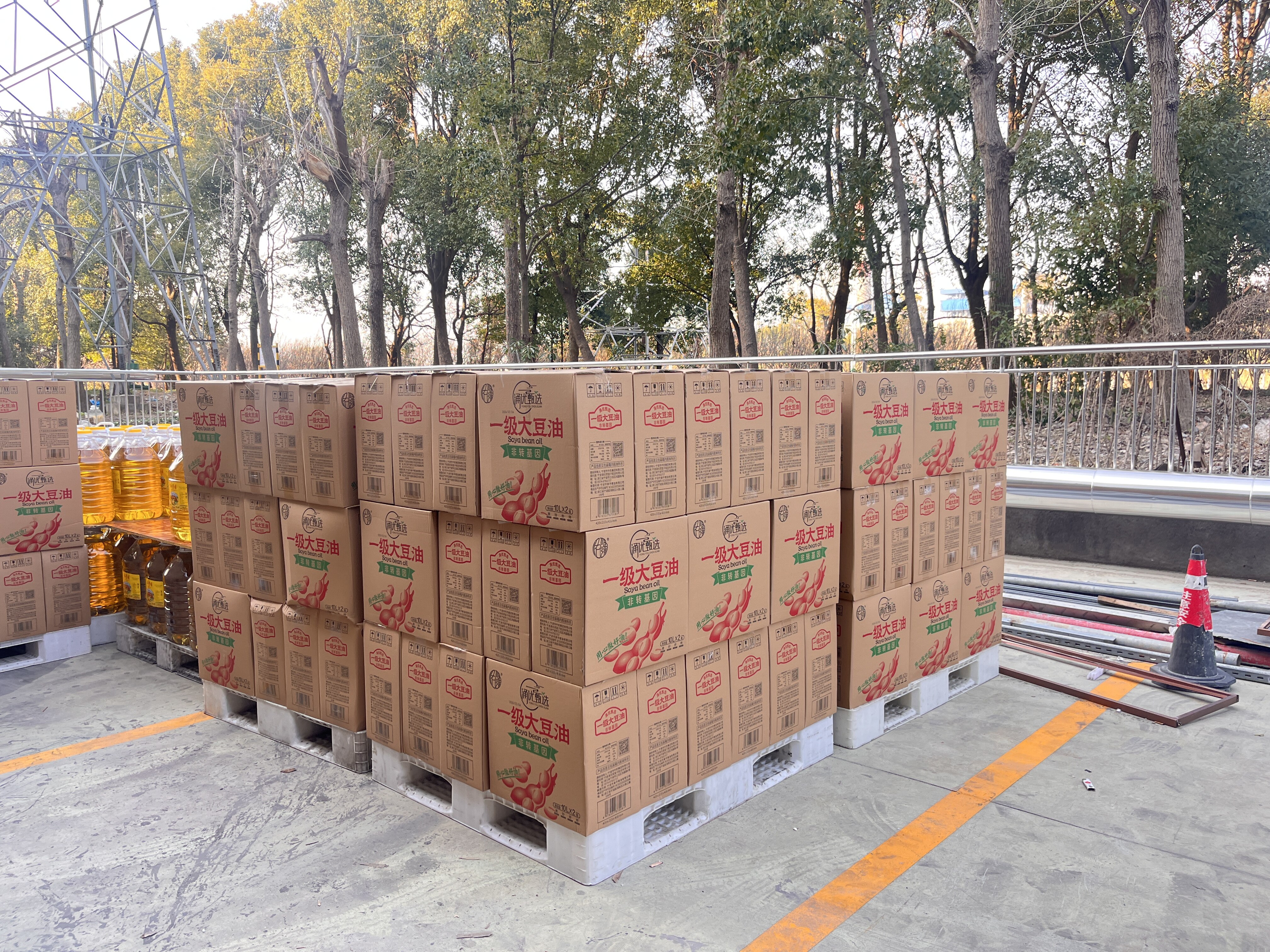
Cost Structure of Private Label Cooking Oils
August 24, 2026
Understanding where costs sit in a private label project helps you negotiate better and set realistic retail prices.
This guide focuses on practical points that matter to importers, distributors, foodservice buyers, and brand owners working with private label related products.
Why Cost Structure of Private Label Cooking Oils Matters
In today's edible oil market, decisions around cost structure of private label cooking oils affect margin, compliance, and customer loyalty. HowFun Oil works with buyers across retail, HORECA, and industrial channels, so the recommendations below reflect real trade conditions rather than theory alone.
Key Points to Consider
- Match oil type and grade to the actual cooking or manufacturing process
- Confirm certifications required in your destination market early
- Evaluate packaging format for both cost and product protection
- Request samples and COA before committing to volume
- Plan logistics and storage so quality does not degrade after arrival
Practical Recommendations
Start with a clear specification. Vague requests slow down quoting and increase the chance of mismatch. Define refining level, packaging, target certifications, and expected monthly volume. HowFun Oil can support bottle, drum, and IBC formats across peanut, olive, rapeseed, sunflower, palm, soybean, corn germ, sesame, and blended oils.
Next, align on quality documentation. A reliable supplier provides batch-level COA, supports third-party inspection when needed, and maintains food safety systems such as ISO 22000, HACCP, and where required BRC or IFS.
Finally, treat the first order as a validation step. Flexible MOQ options let you test the market before scaling to full containers.
Common Mistakes to Avoid
- Skipping the sample and sensory evaluation stage
- Assuming home-market certifications automatically satisfy export markets
- Underestimating label language and nutrition panel requirements
- Choosing packaging only on unit cost without considering freight and handling
- Working with suppliers who cannot demonstrate consistent capacity
FAQ
Q: How does HowFun Oil support buyers on cost structure of private label cooking oils?
A: We provide specification guidance, samples, COA, flexible packaging options, and documented quality systems so you can move from inquiry to shipment with fewer surprises.
Q: What is a realistic first order size?
A: Trial quantities can start as low as one unit per category. Production-scale MOQs apply once you confirm the product and packaging.
Q: Which certifications are typically available?
A: Core systems include ISO 22000 and HACCP, with additional options such as BRC, IFS, and organic depending on the product line and claim.
Q: How long does a typical project take?
A: Sampling often takes days to a couple of weeks. Production and ocean freight add further weeks. Early label approval prevents avoidable delay.
Next Steps
If you are planning a project related to cost structure of private label cooking oils, share your target oil type, packaging, destination market, and estimated volume. The HowFun Oil team can respond with a clear quotation and sampling plan.
Reach out on WhatsApp +86 132 8228 0346 or email info@howfunoil.com to start the conversation.
Get a Quote
Fill out the form below and we'll get back to you within 24 hours